
Knee Articles
- Quadriceps Muscle Strains
- Meniscal Tears
- Anterior Cruciate Ligament (ACL) Tear
- Posterior Cruciate Ligament (PCL) Tear
- Medial Collateral Ligament (MCL) Tear
- Lateral Collateral Ligament (LCL) Tears
- Anterior Knee Pain
- Patello-femoral Pain (Commonly Called Chondromalacia Patella)
- Patellar Tendinitis (Jumper's Knee)
- Knee Osteoarthritis
- Iliotibial Band Friction Syndrome (ITBS)
- Knee Replacement
Pick a Body Area
Meniscal Tears
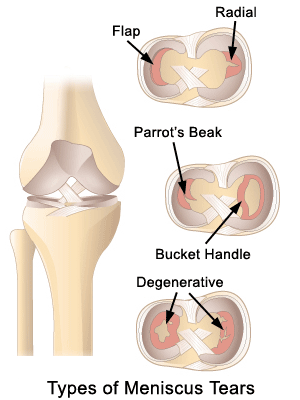
The menisci (plural for meniscus) are cartilage pads, which function to cushion the compressive loads in the knee. One or both of these pads can be torn which often occurs when the lower leg is forcefully bent and twisted. Signs and symptoms include joint line pain, locking and swelling of the knee. The tear often has a bucket handle or parrot beak shape. Treatment should consist of rest, ice, compression and elevation. Arthroscopic surgery is indicated for a large tear.
Disclaimer
The information in this medical library is intended for informational and educational purposes only and in no way should be taken to be the provision or practice of physical therapy, medical, or professional healthcare advice or services. The information should not be considered complete or exhaustive and should not be used for diagnostic or treatment purposes without first consulting with your physical therapist, occupational therapist, physician or other healthcare provider. The owners of this website accept no responsibility for the misuse of information contained within this website.